Childhood's End (Karakol, 2019)
In 2019, I moved to Kyrgyzstan.
I’d been there precisely once before, a year prior; my lens was still Soviet. The nation, the city had long since moved on.
Development as a word is contextual. Wherefrom does one develop? Whereto?
I started at the beginning.
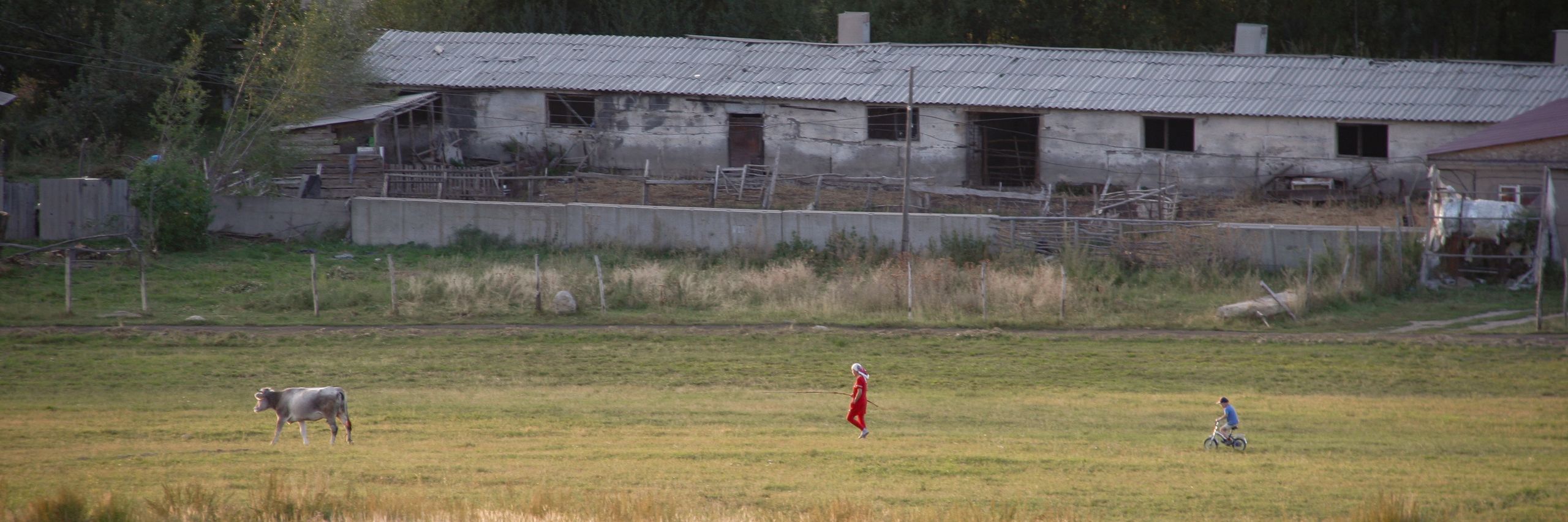
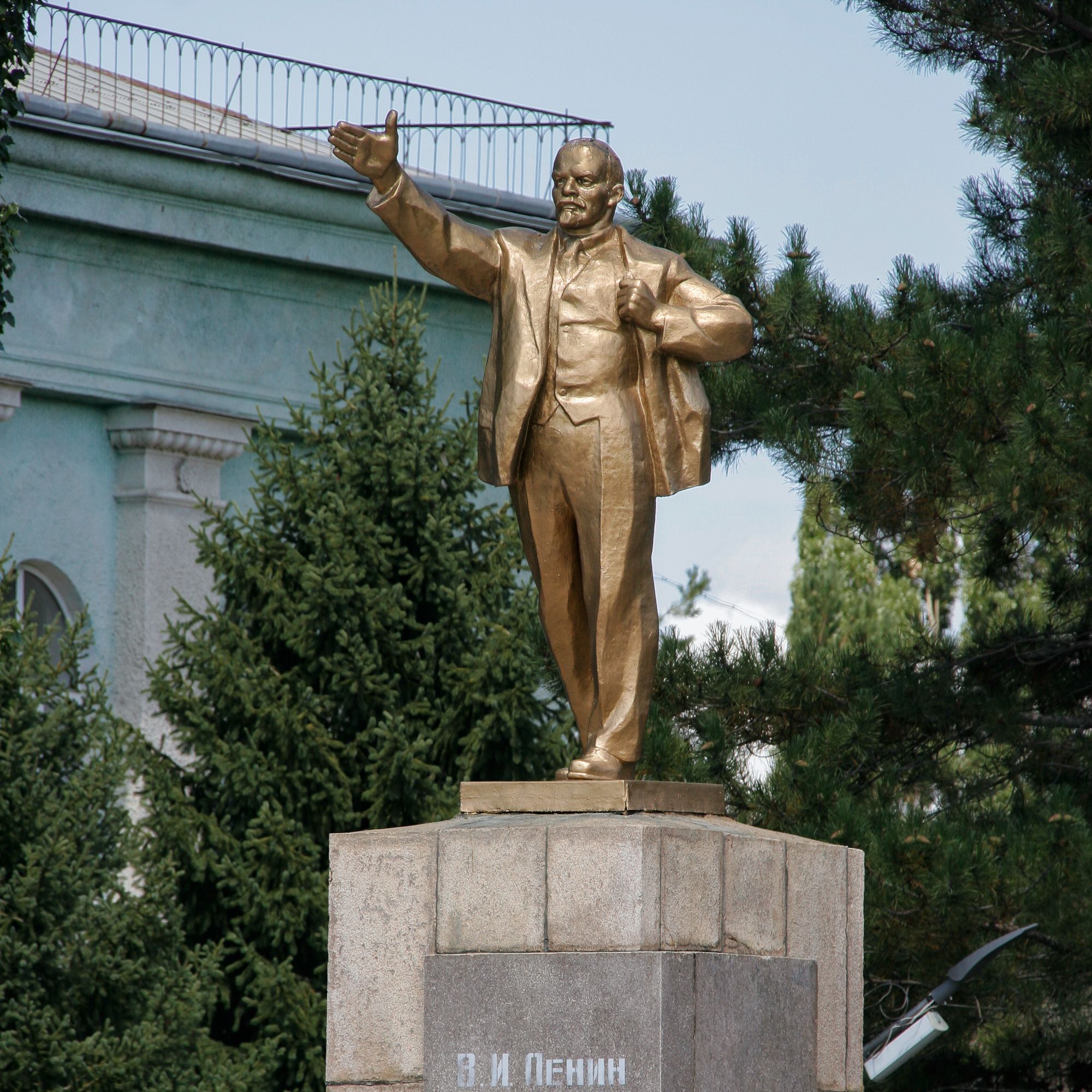
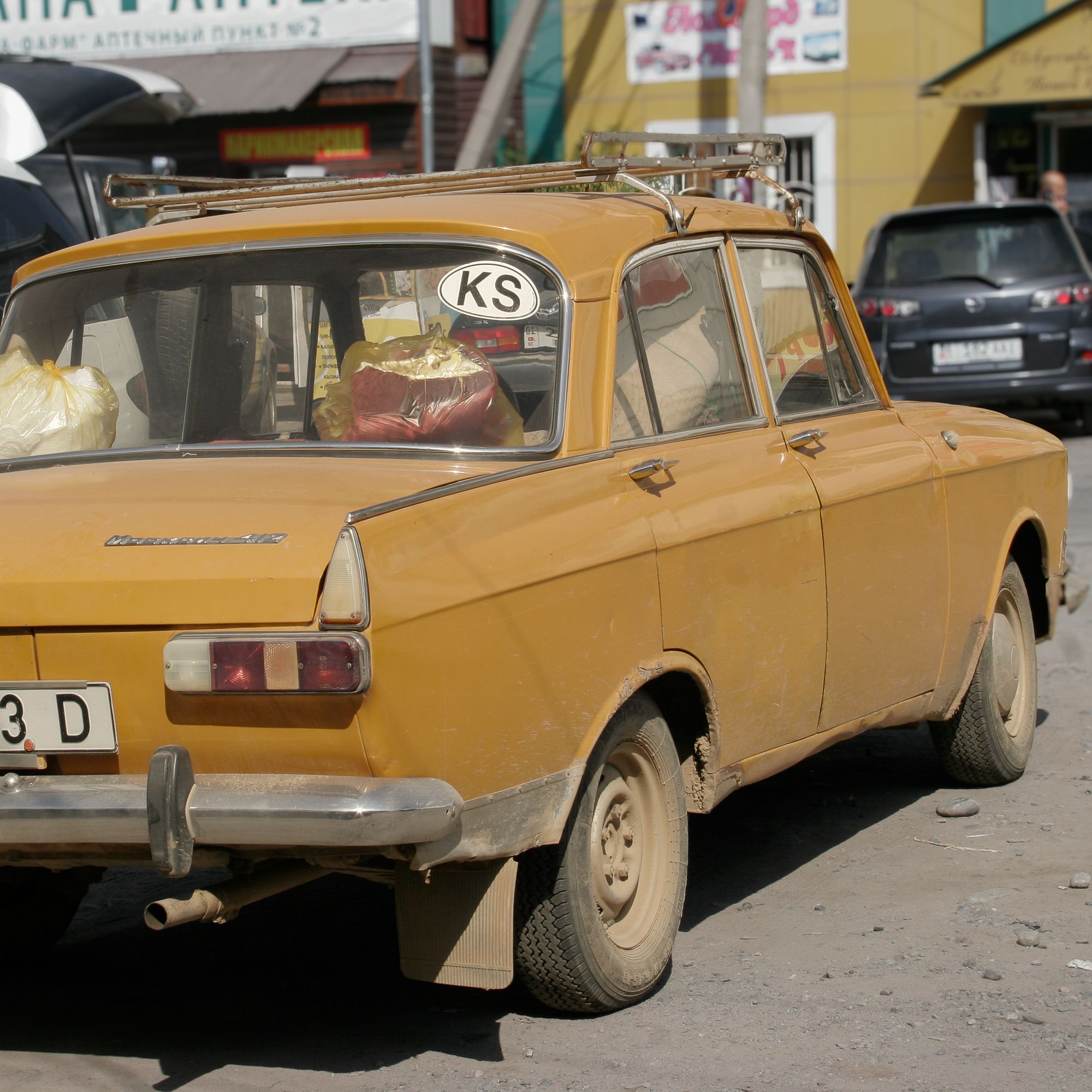
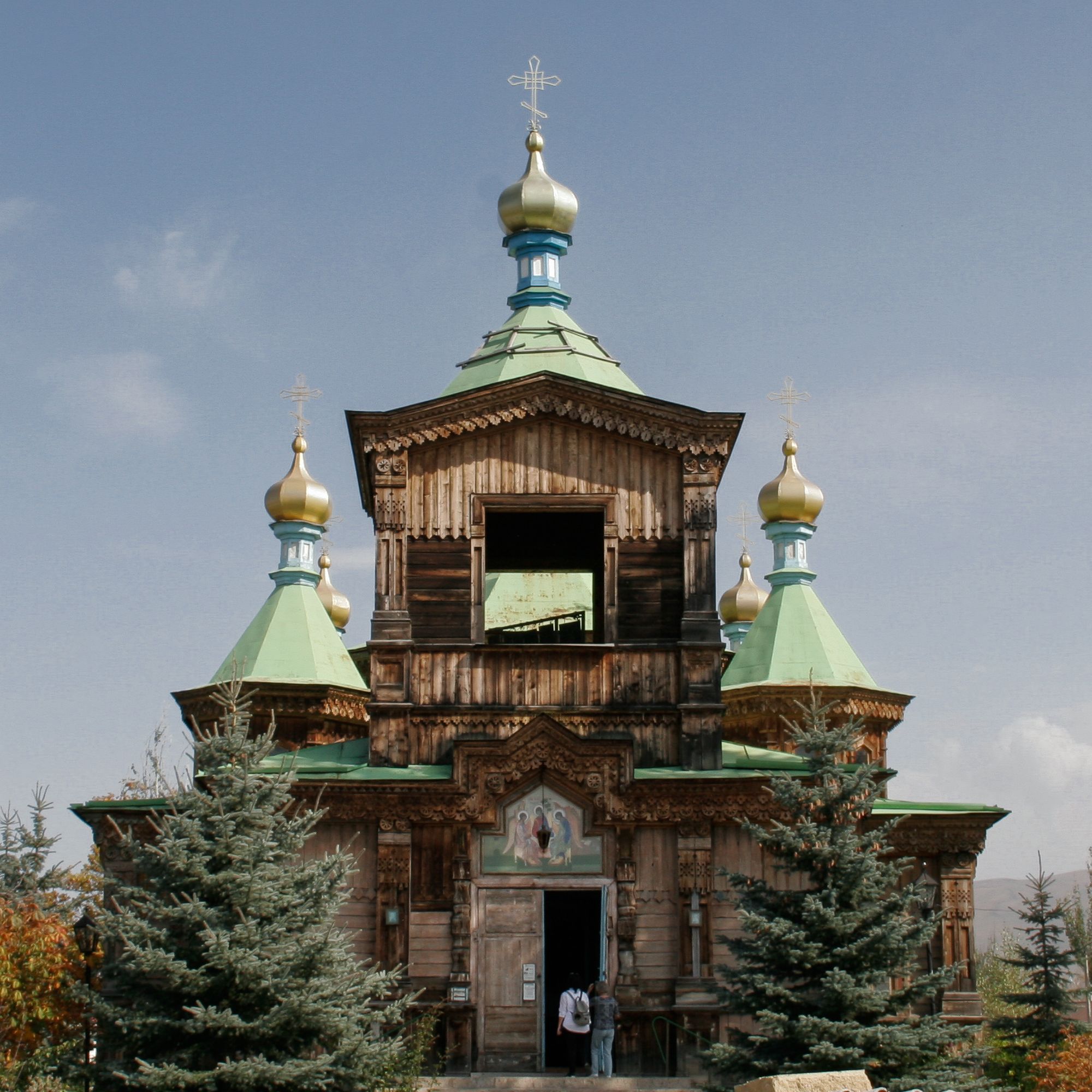
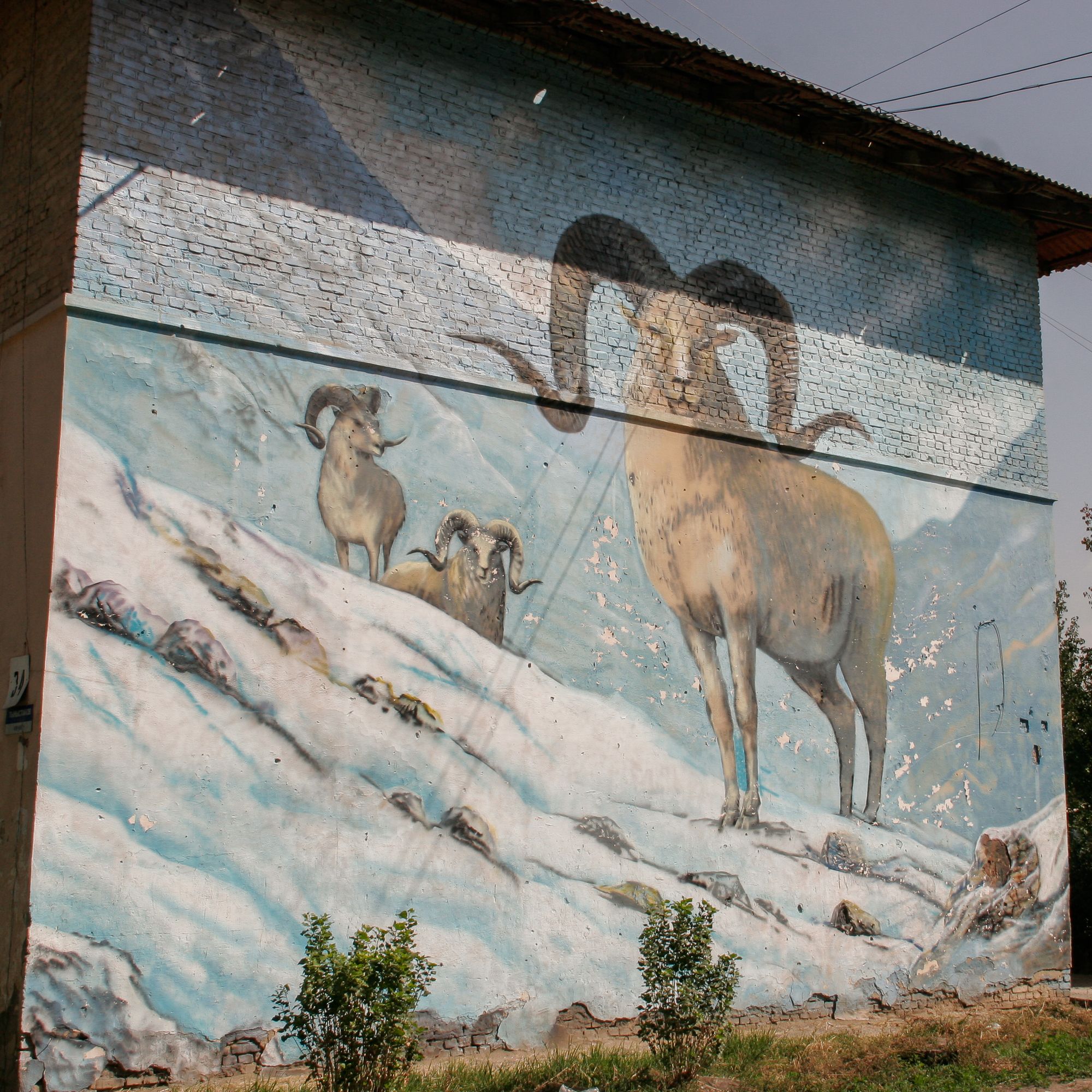
In 2018, I’d tried to understand identity: cut adrift from the Union in 1991, what would people cling to, and what stories would they tell? In 2019, Karakol suggested that the old had not yet gone, but the new was struggling to be born. Official text, national mythology, and public art had moved on from town-square-as-socialist-iconostasis to (re)evocation of Kyrgyz heritage: the works of Aitmatov, the stanzas of the manaschi.
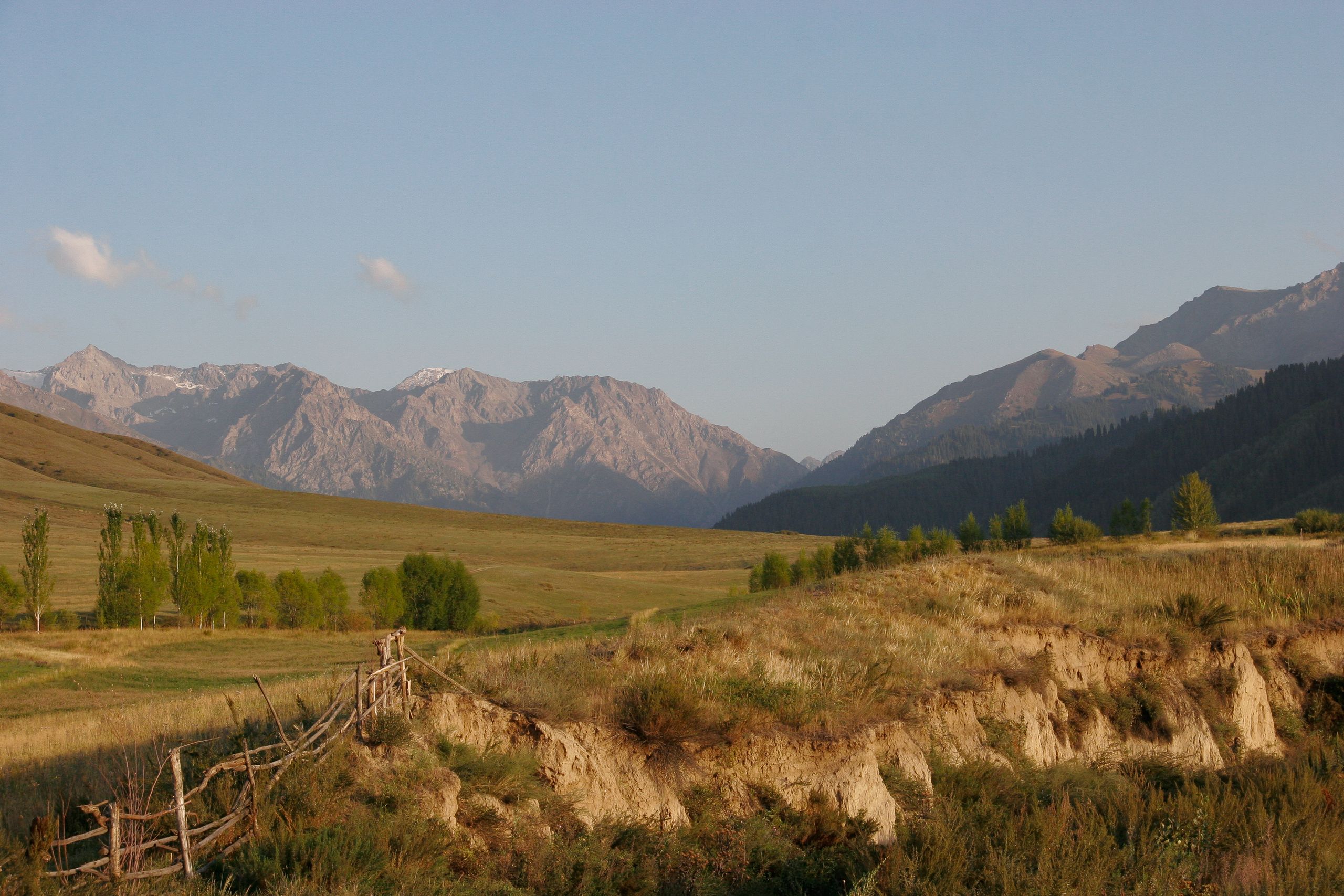
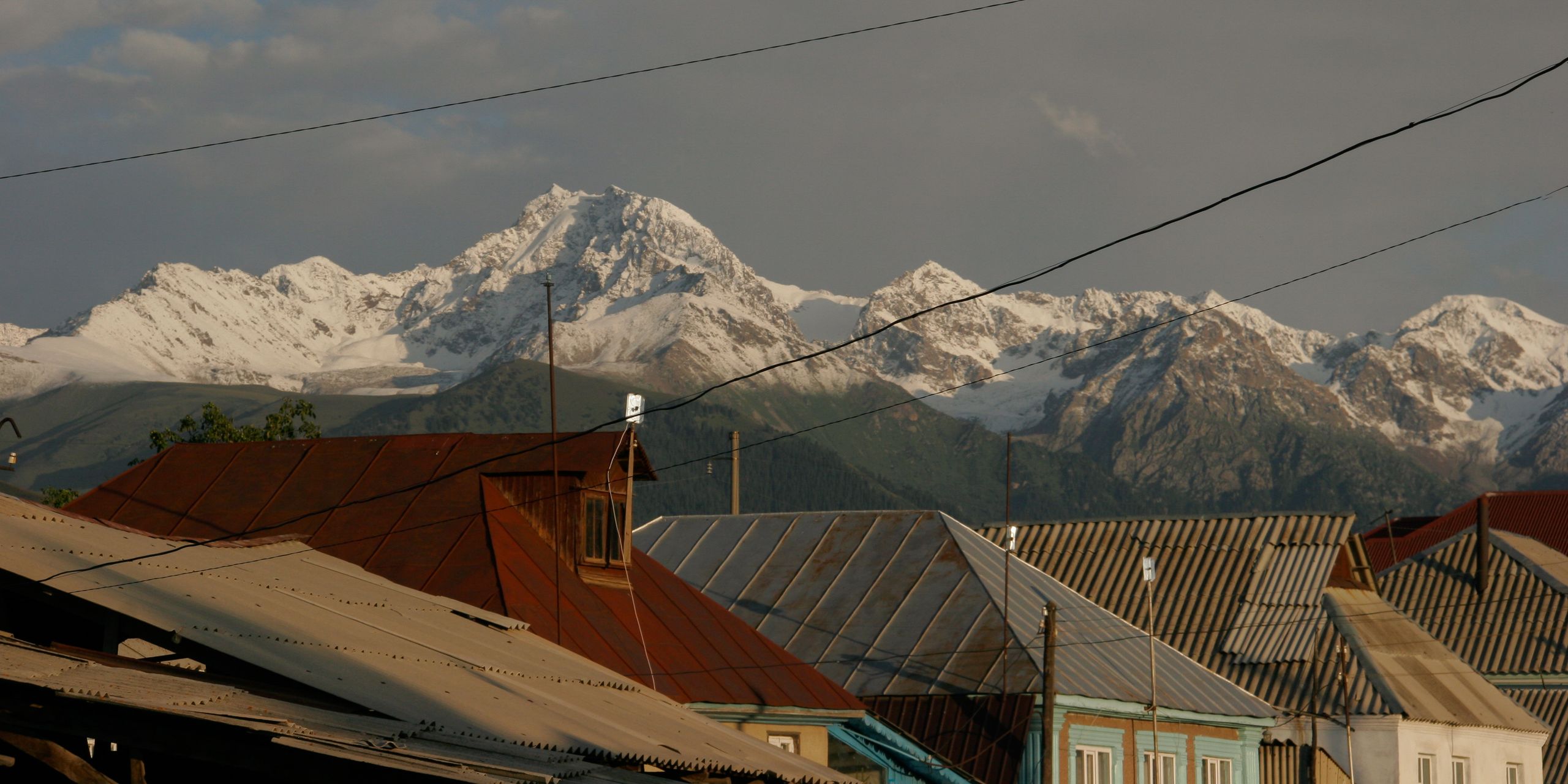
I came to Karakol at the invitation of my friend Aziz to help start a local development organisation. Arriving with bits and pieces of the past, my first glimpses of the town both invoked the Soviet subtext I expected and confounded it. The mountains in particular changed things: the town looked small, its disused factories and shattered glass rendered insignificant beneath the sweeping peaks and foothills and forests and herds.
So where was Karakol now?
Karakol seemed to be two cities: one of youth, home to Issyk-Kul’s principal university; and one of adults remarkable for their absence. At the time, up to 20% of the working-age population was elsewhere in the country or abroad, a testament to a local economy still echoing with the calamity of the 1990s.
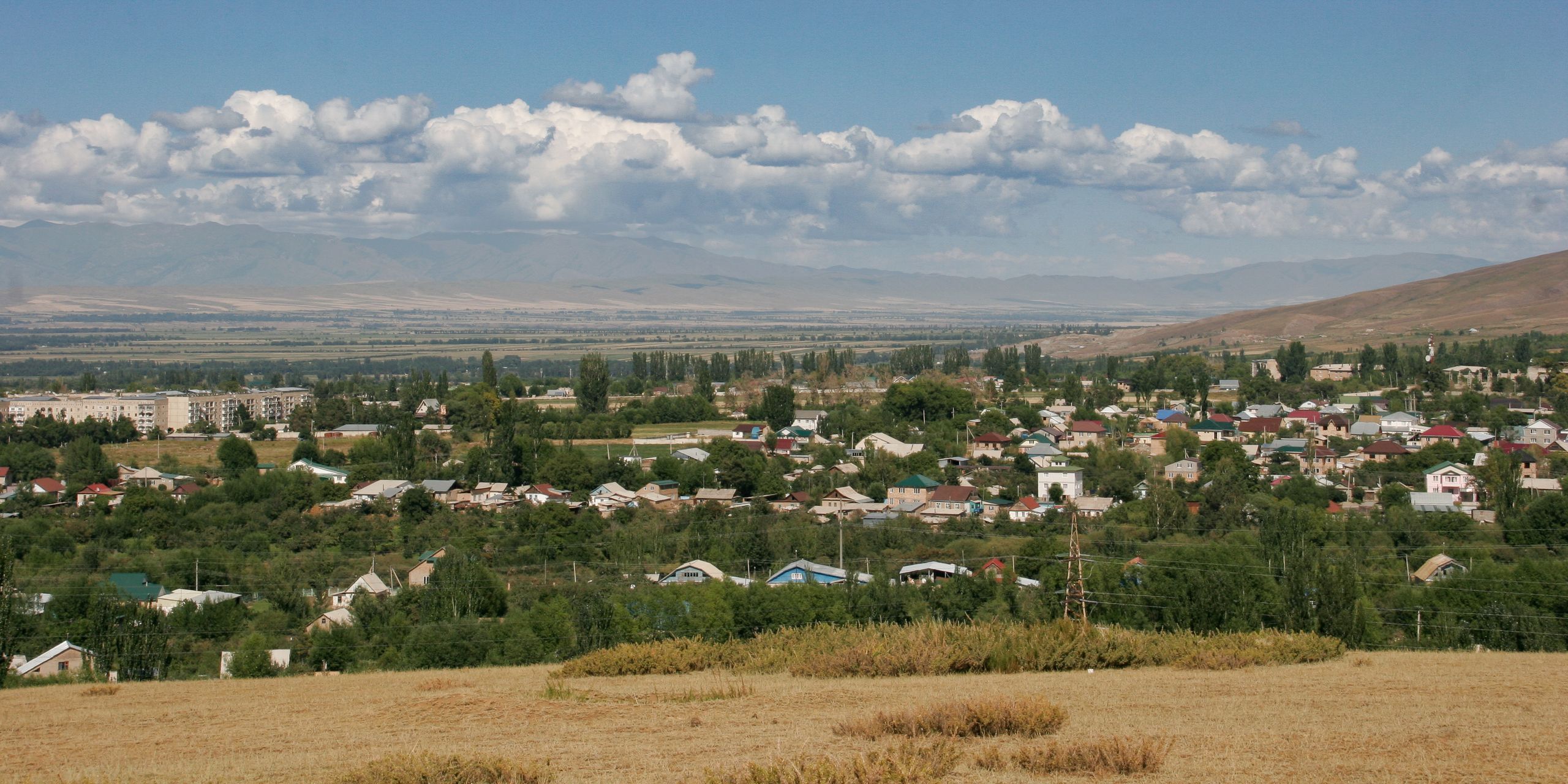
Within that context, the two of us struggled to cast a vision of the future those young people would be willing to stay in Karakol to pursue. We considered the history, the economics, and our own calling. Put simply, the city’s potential felt far-off for most people; a purely economic appeal wouldn’t suffice. What was missing was community.
So we decided on education. Serve people, care for them, build trust. The rest, God willing, would follow. We began to draft documents, scoping our foundation and negotiating its purview with mayors and ministries.
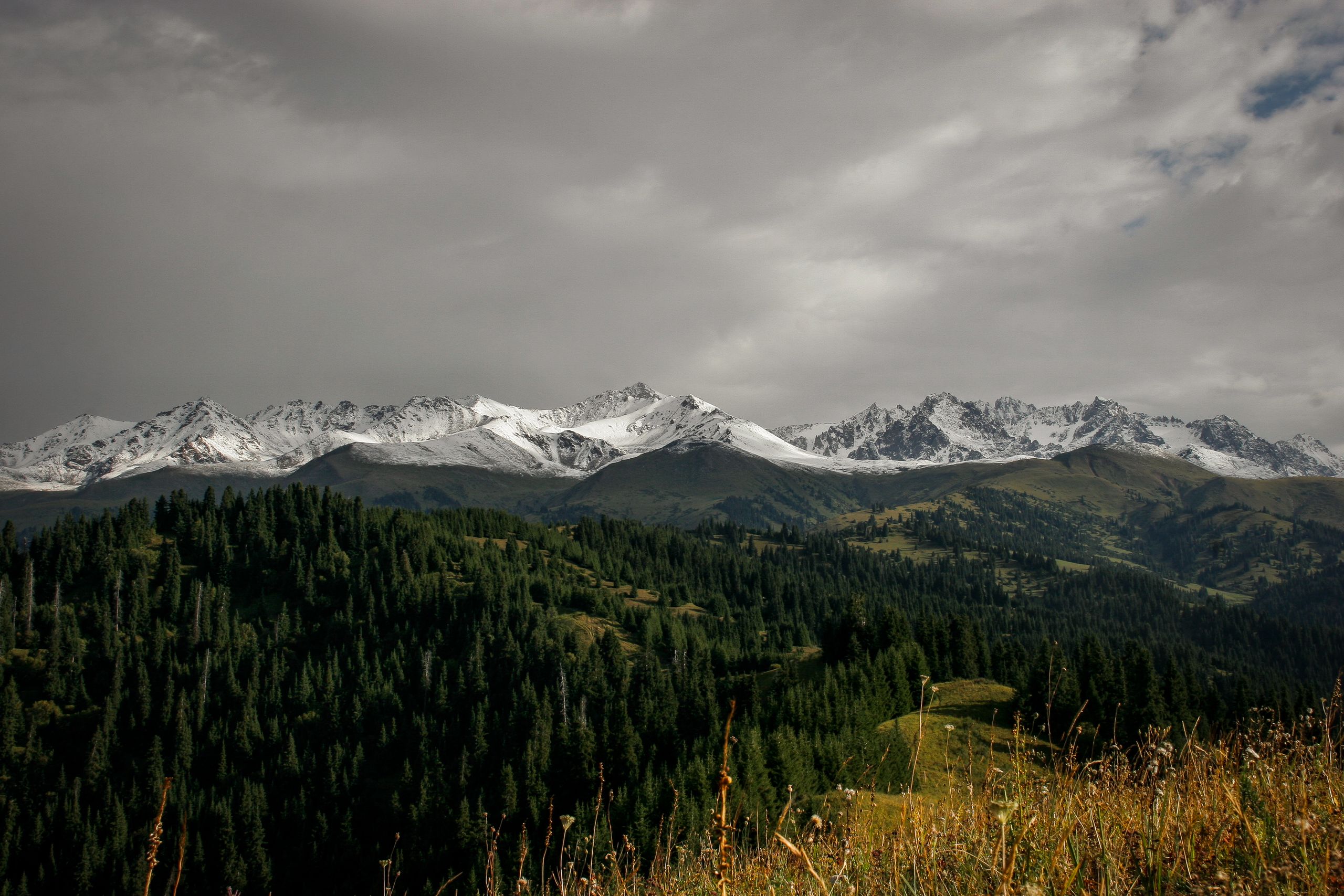
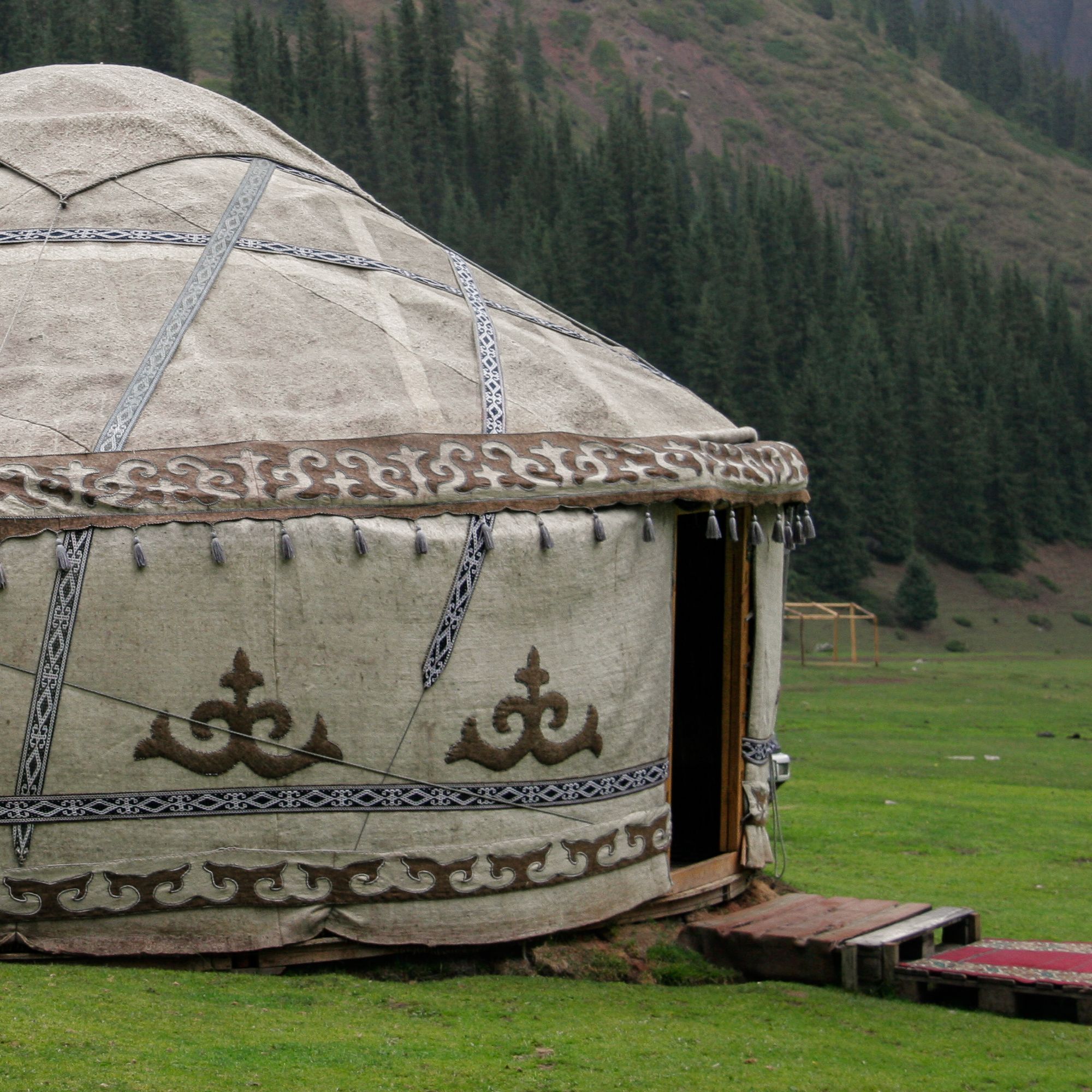
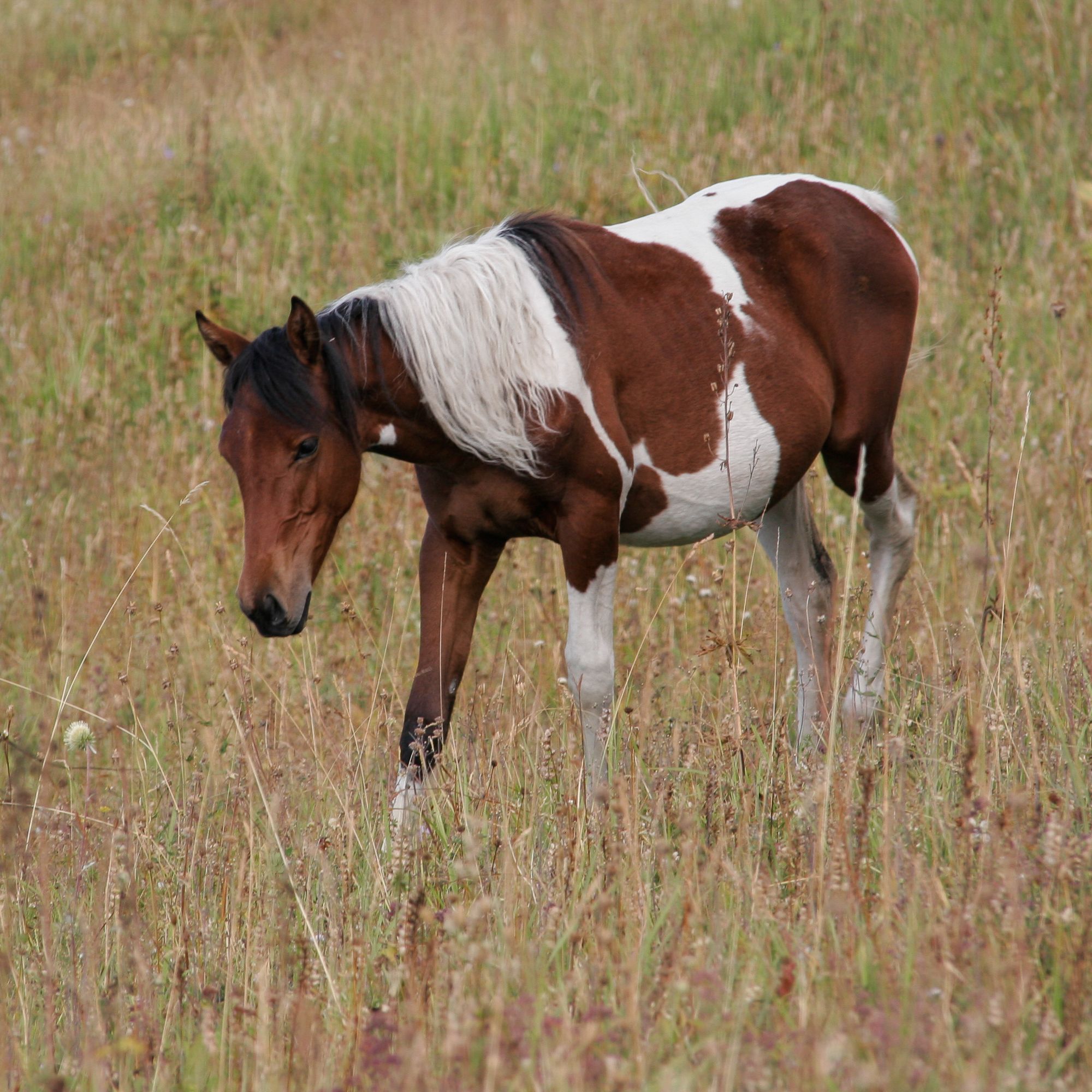
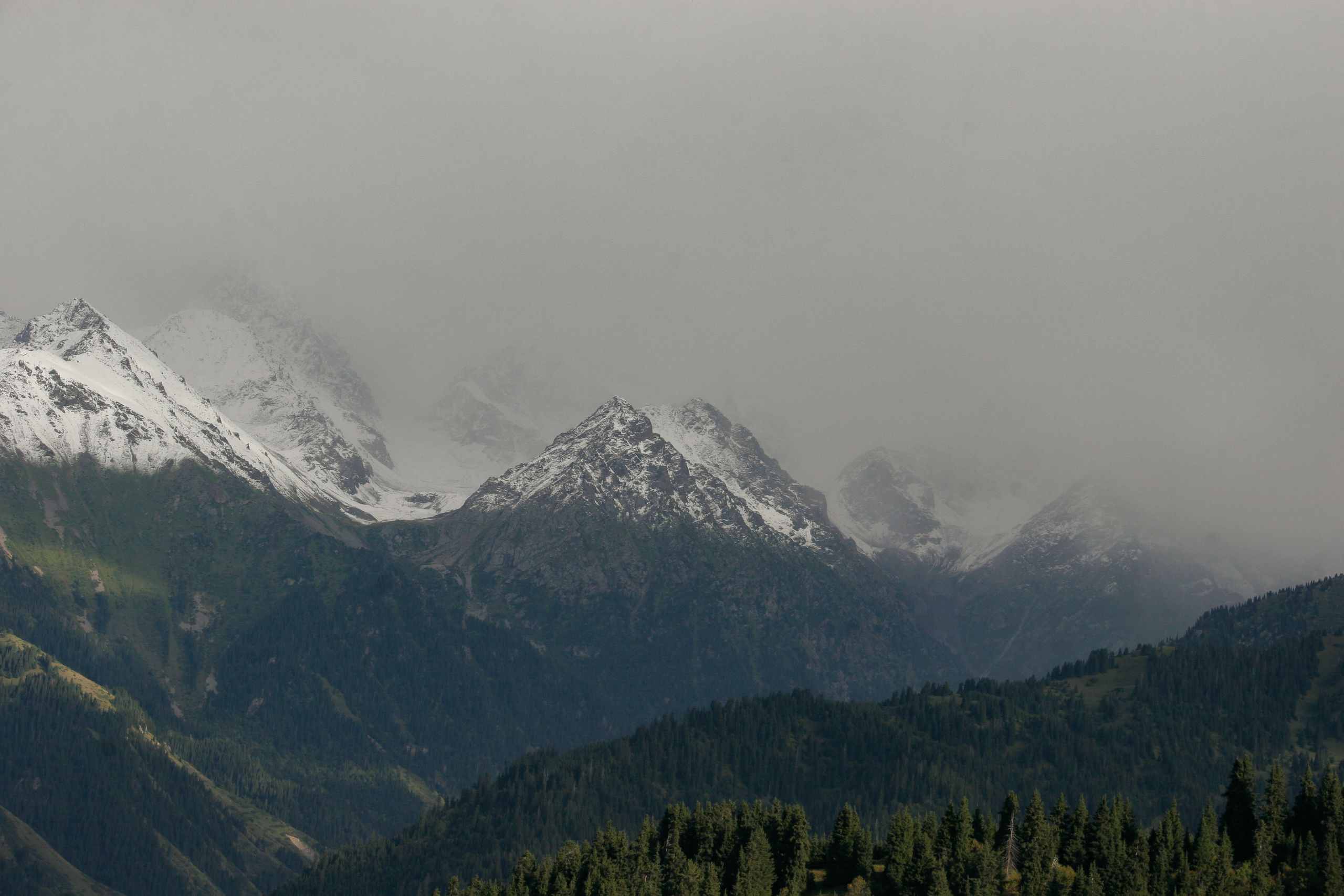
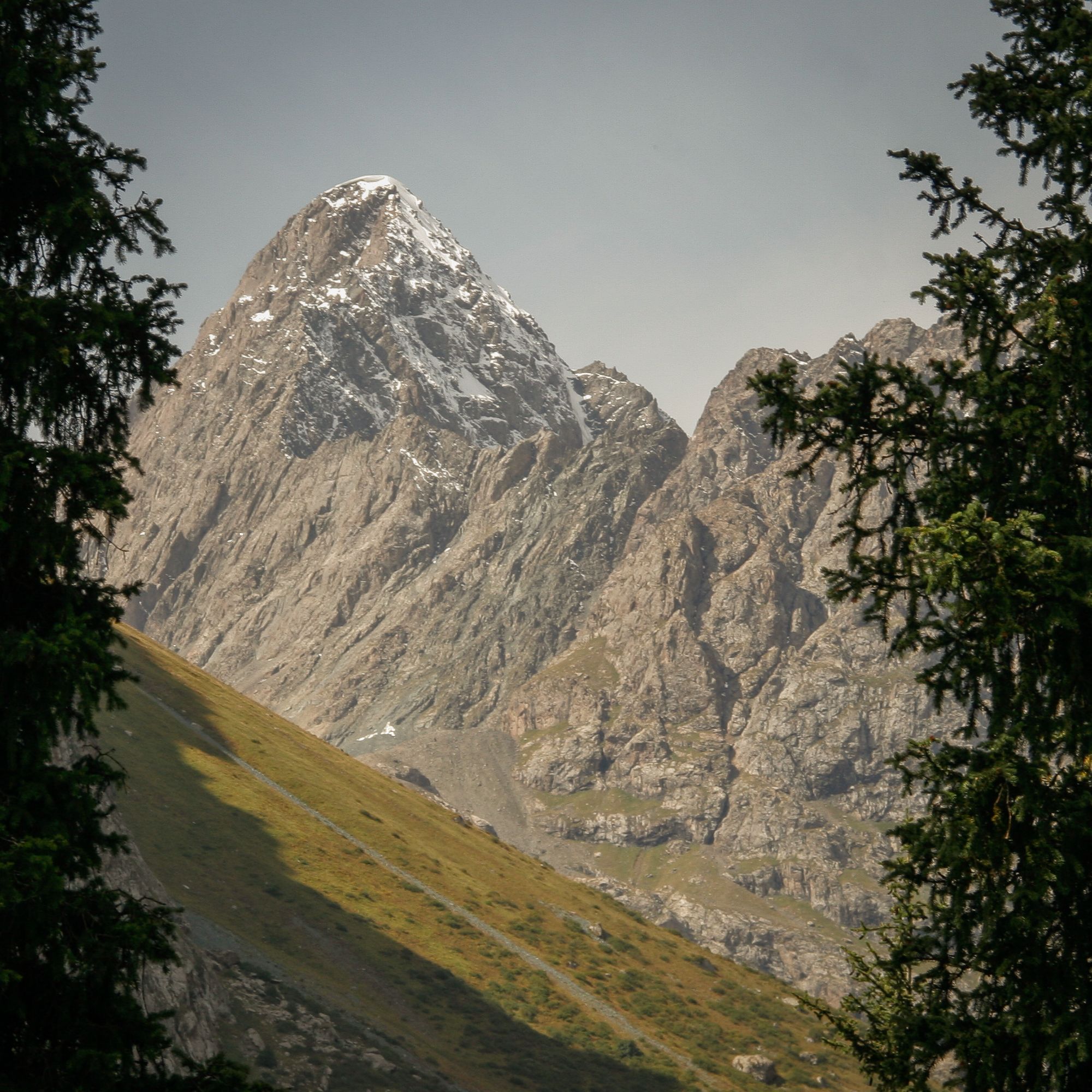
The mountains loom over Karakol, nearer than in other major Central Asian cities. Peaks sharply rocky in July were freshly snow-covered by mid-August. Summers are short in Issyk-Kul; winters long.
We, or at least I, learned to wait. Long evenings of typing documents in Kyrgyz (well before I’d learnt a word) saw us submit our charter and legal forms, then sit uneasy while we awaited a response.
At length, I convinced Aziz to go on a hike with me.
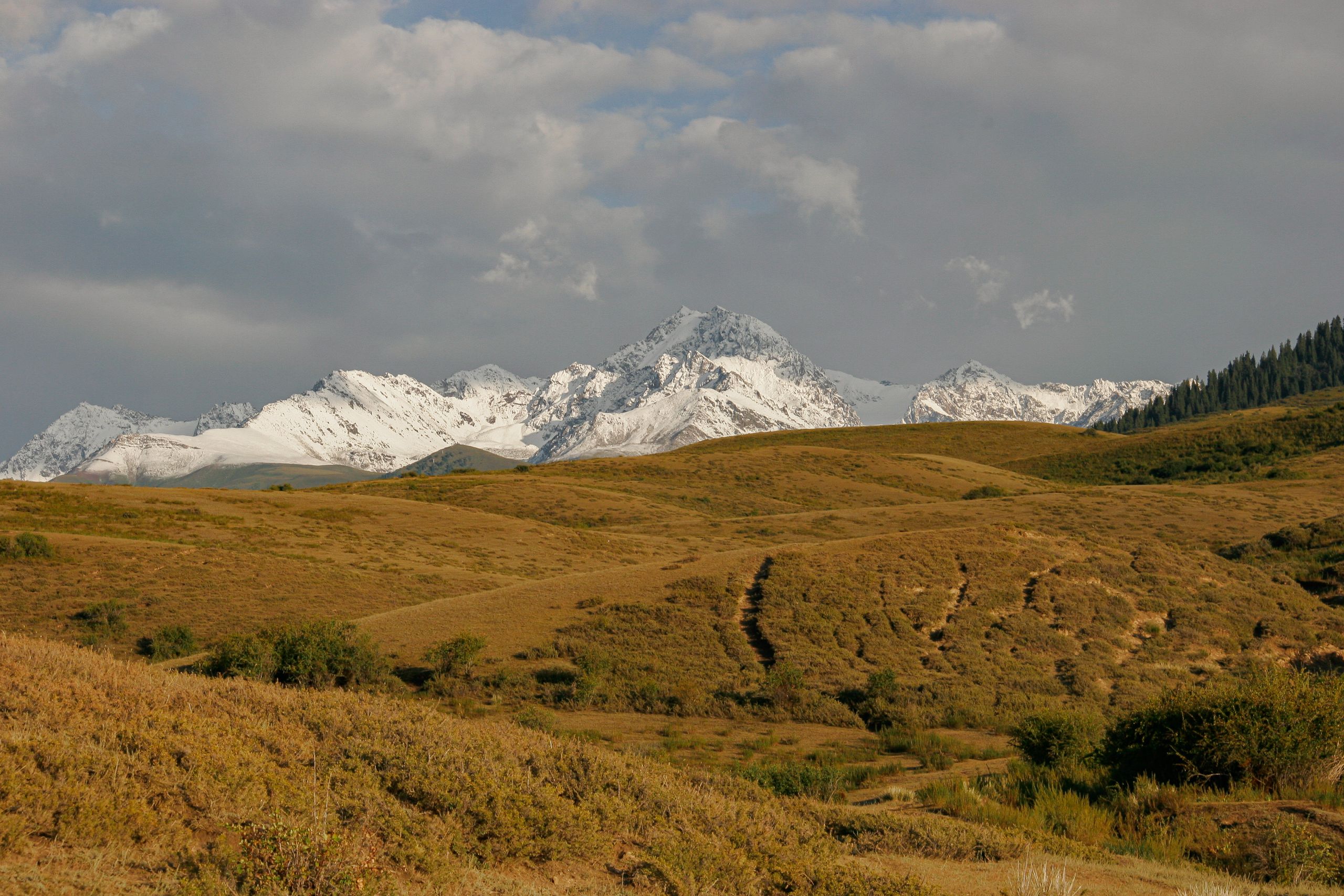
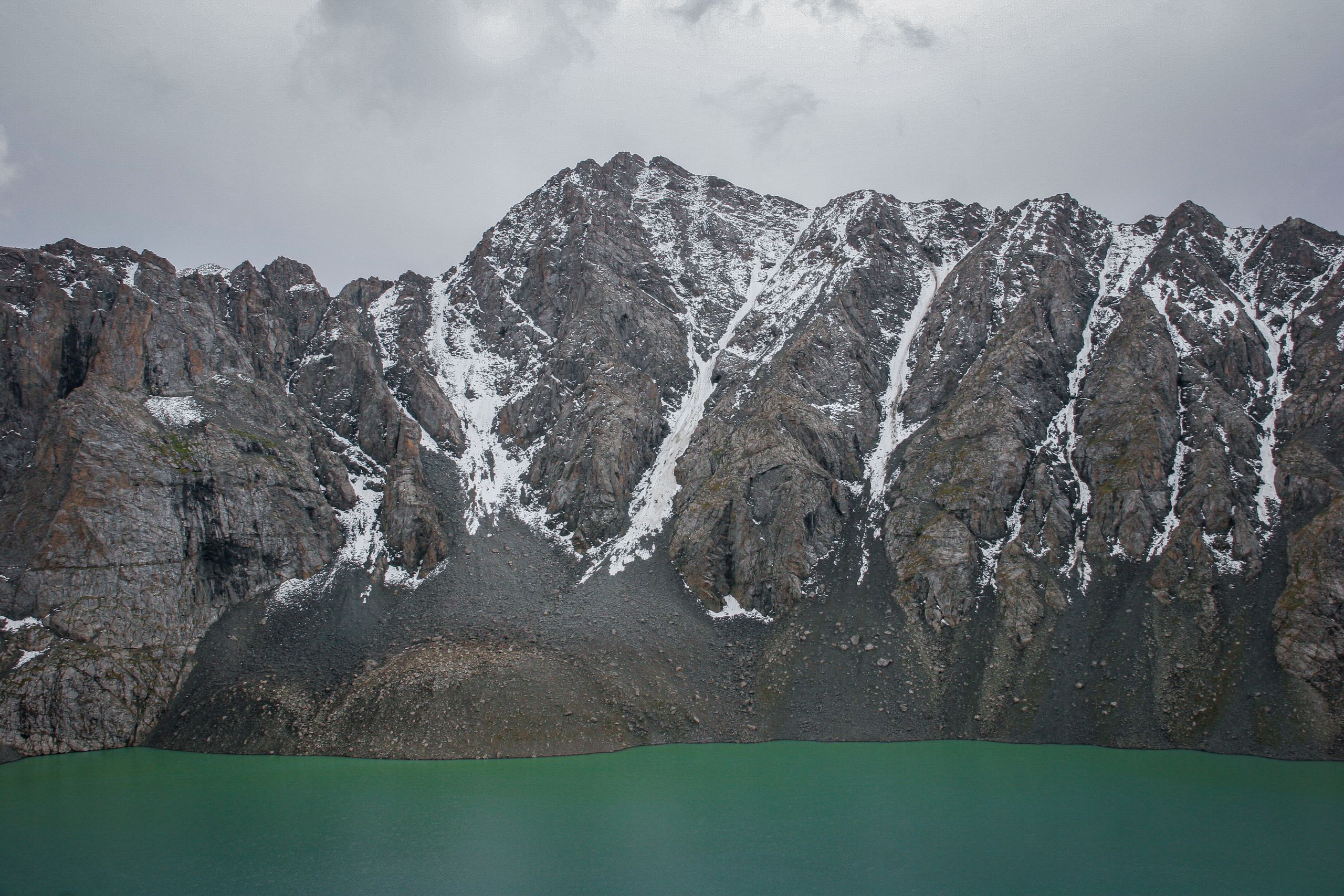
We settled on Ala-Köl, a mountain lake that is perhaps the Karakol-area hike. A gentle ascent of the Karakol valley gives way to a more precipitous path up to the lake, rockslide-dammed, and the high pass beyond it.
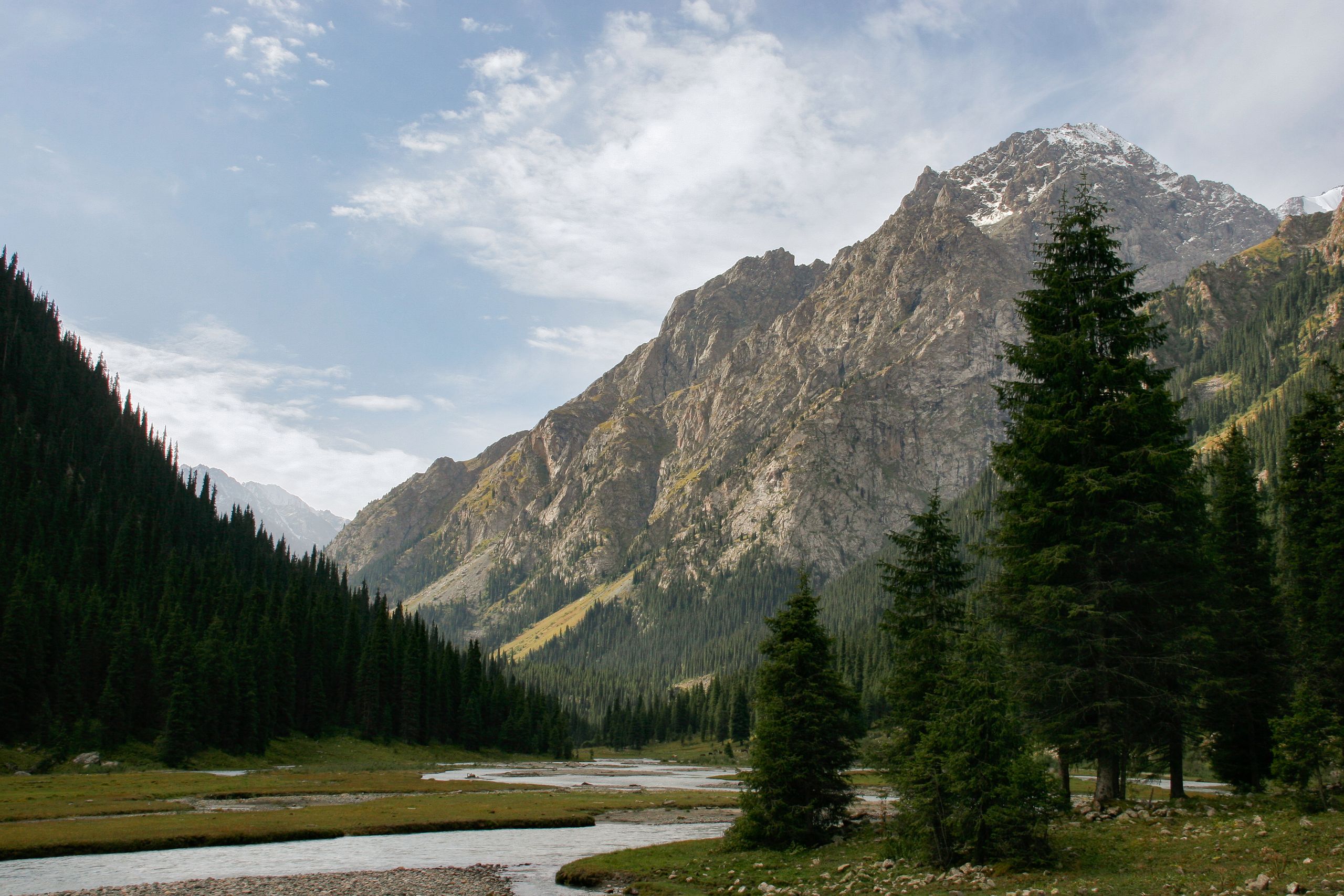
We were, as with the foundation, ill-prepared. With ambitions to stay at a yurt camp, we pressed on to the lake, arriving by mid-afternoon. Moody lighting and occasional rain provided splendid views and damp shirts as we crawled upwards towards the pass.
Cresting the ridge, with evening setting the sky aglow, we realised there’d be no shelter between there and Altyn-Arashan, another 12.5km on. Oops. One missed river crossing and hours later, our headlamps clicked off and we fell gratefully into bunks in a guesthouse.
I wouldn’t repeat certain of those decisions. Neither would Aziz. We trusted each other more for having made them together, though, and that presaged many things.
Most of all, I came away from that hike convinced that Kyrgyzstan’s future, as its pre-Soviet past, would be intertwined with those peaks. My love of the mountains predated Karakol, but found a new pathway and purpose there, interlaced with the community I’d adopted and the development work I’d chosen.
I’m still trying to decide where that road will lead. Even so, it has been a beautiful road so far.